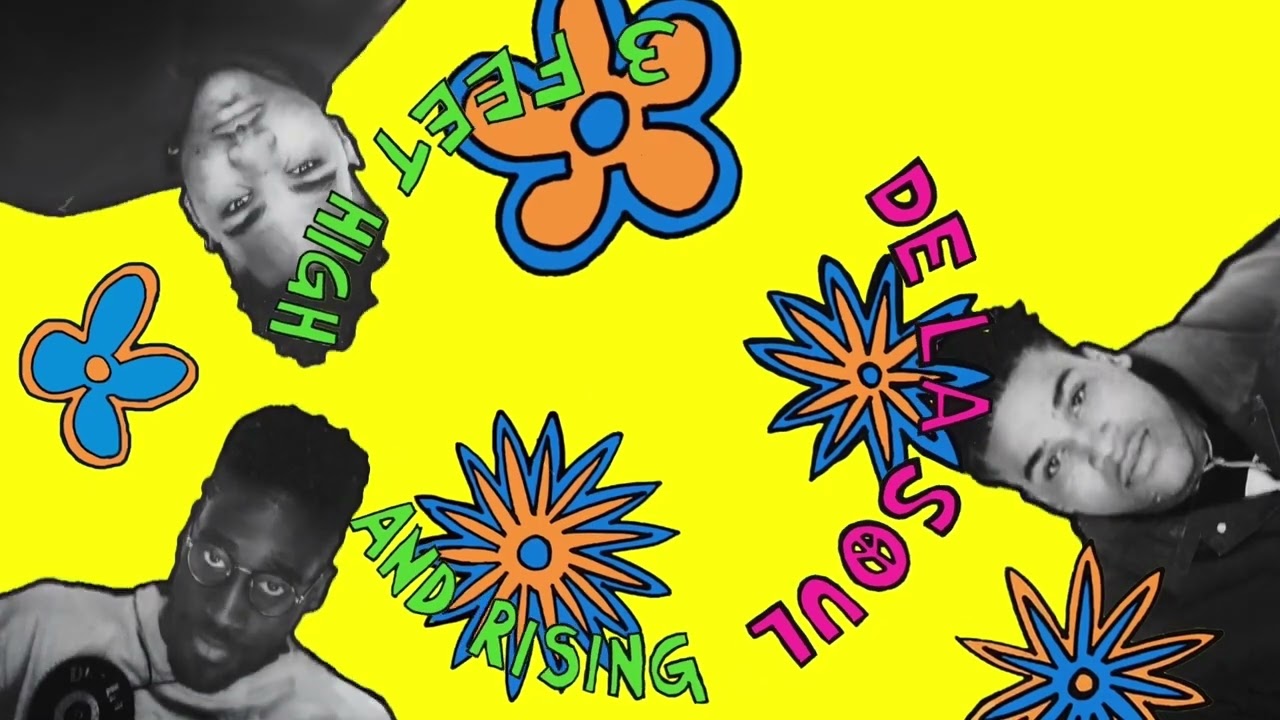
Sample or interpolation? Here’s how to tell the difference
Separate a reused recording from a replayed musical idea, then trace what a producer changes.
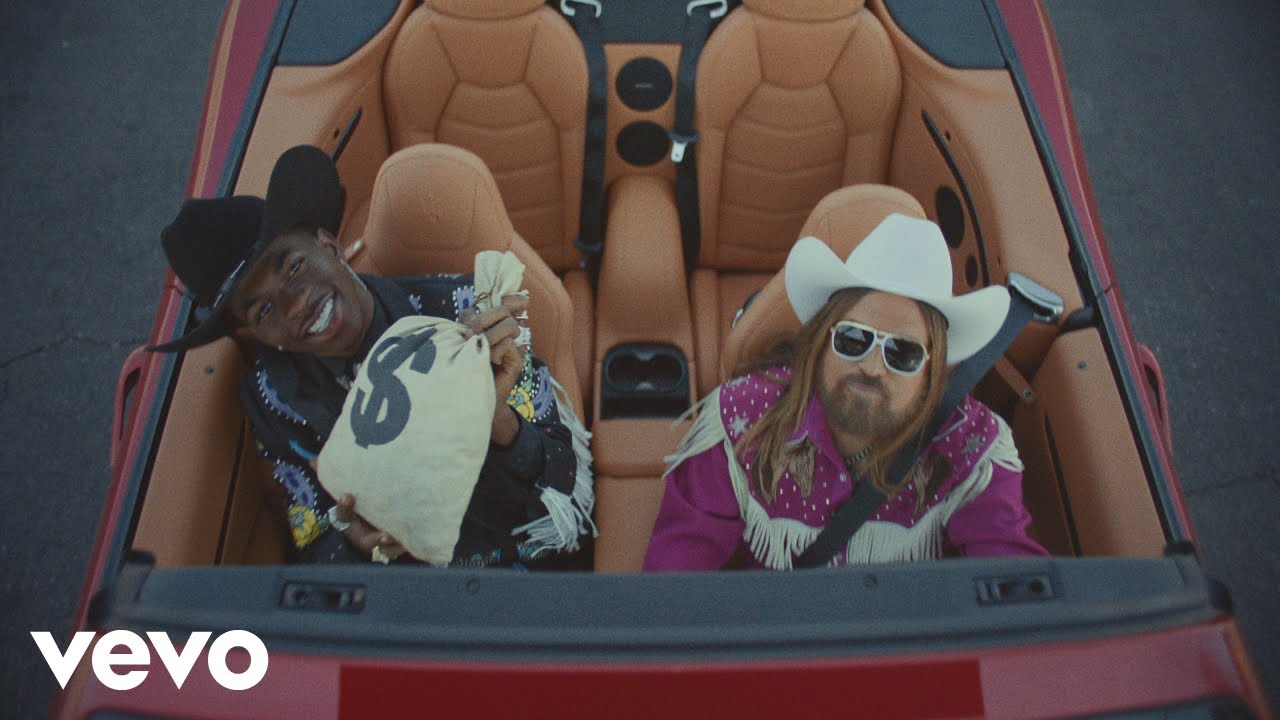
Listening example: Lil Nas X - Old Town Road (Official Movie) ft. Billy Ray Cyrus · LilNasXVEVO / YouTube
Recognizing an older melody is the start of a connection, not proof of how the newer track was made. A producer might reuse recorded audio, make a new recording of the musical material or combine approaches. The distinction matters when you describe the music and when you read its credits.
In this guide
The composition and the recording are separate
A musical work is the underlying composition, including music and lyrics. A sound recording is a particular recorded performance. The U.S. Copyright Office’s musician primer separates these rights: two recordings can perform the same composition without being the same recorded audio.
Sampling reuses part of an existing recording. Interpolation records musical material from an existing composition again. A newly played melody can recall an older song closely while sounding different in voice, instruments and production. Recognition alone cannot establish whether the older recording itself appears in the newer track.
Two examples with documented connections
The Copyright Office uses Lil Nas X’s “Old Town Road” as a sampling example: YoungKio built its beat using Nine Inch Nails’ “34 Ghosts IV.” It uses Nas’s “I Can” as an interpolation example involving Beethoven’s “Für Elise.” The examples distinguish reused recorded material from a new performance of a composition.
Compare a short identified passage in an older track with the relevant part of the newer one. Ask what matches: the melody, the rhythm, an instrument’s tone or the detail of a performance. A matching melody points you toward a compositional connection; identical tiny performance details may suggest recorded audio, but credits and creator accounts should settle the claim.
Chopping changes the role of the source
A reused recording does not have to appear as one uninterrupted loop. Ableton’s Simpler documentation describes slicing audio into separately playable fragments. That offers a concrete model for understanding how a producer can rearrange material. It does not tell you that a particular artist used that instrument.
Make a small before-and-after note: what repeats, what arrives in a different order and what is newly added around it? Separate a changed sequence from a changed sound. A familiar recording can become a rhythmic part rather than a recognizable verse or chorus, and the new drums can reshape the way you hear its accents.
Pitch and speed do not always move together
In conventional sampler playback, changing pitch also changes playback speed. Simpler’s Warp mode provides a contrasting example: it can keep playback synchronized to the project tempo across different played notes. Modern processing means a higher voice does not automatically prove that the entire source was simply sped up.
Kirk Knight tells Ableton that the beat for Joey Bada$$’s “Long Live Steelo” uses extensive warping. He also describes changing sampled material’s pitch. That gives you a documented production process to compare with your listening notes; it doesn’t establish the settings or technique behind an unrelated song.
Read the credits without making them say too much
Look for the original writer, recording performer and publisher, then check official liner notes or a direct production interview for the connection. A songwriter credit can indicate borrowed composition without specifying how recorded audio was used. A database entry can be a lead, but it is not a substitute for the underlying credit or account.
Keep three questions separate in your notes: “What does this resemble?”, “What source is credited?” and “What process is documented?” You may answer the first while the other two remain open. If a connection is unconfirmed, write that you hear a resemblance rather than declaring an uncredited sample.
If you make music, check the rights before releasing
Under the U.S. framework described by the Copyright Office, sampling can involve both recording and composition rights; interpolation can involve composition rights without reusing the original recording. An old composition’s public-domain status does not put every modern recording of it in the public domain. A short duration alone does not establish permission.
For a listening note, keep the source chain visible: newer track, identified earlier work, credit or creator account, then your description of the change. That order makes the musical connection useful without turning an uncertain listening impression into a claim about clearance.